Verify Routes Before Leaving
Confirm route numbers, transfer points, and live arrival times before stepping out of a well-lit school, workplace, or store so you aren’t distracted by a phone screen in an isolated spot.
Public transit is often judged by on-time metrics and fleet size. Yet for everyday riders—especially women, teens, older adults, shift workers, and people with disabilities—the journey begins and ends on the sidewalk at the bus stop.
When a bus runs late at dusk or along an isolated commercial corridor, the physical environment of the stop determines whether waiting feels routine or precarious. True transit accessibility isn’t just about boarding a low-floor vehicle; it is about ensuring safety, visibility, and dignity while waiting for it.
A bus stop is more than a metal pole planted in the grass beside a fast-moving arterial road. Burned-out streetlights, blind corners, missing shelters, and long gaps between buses turn ordinary commutes into high-stress waiting periods.
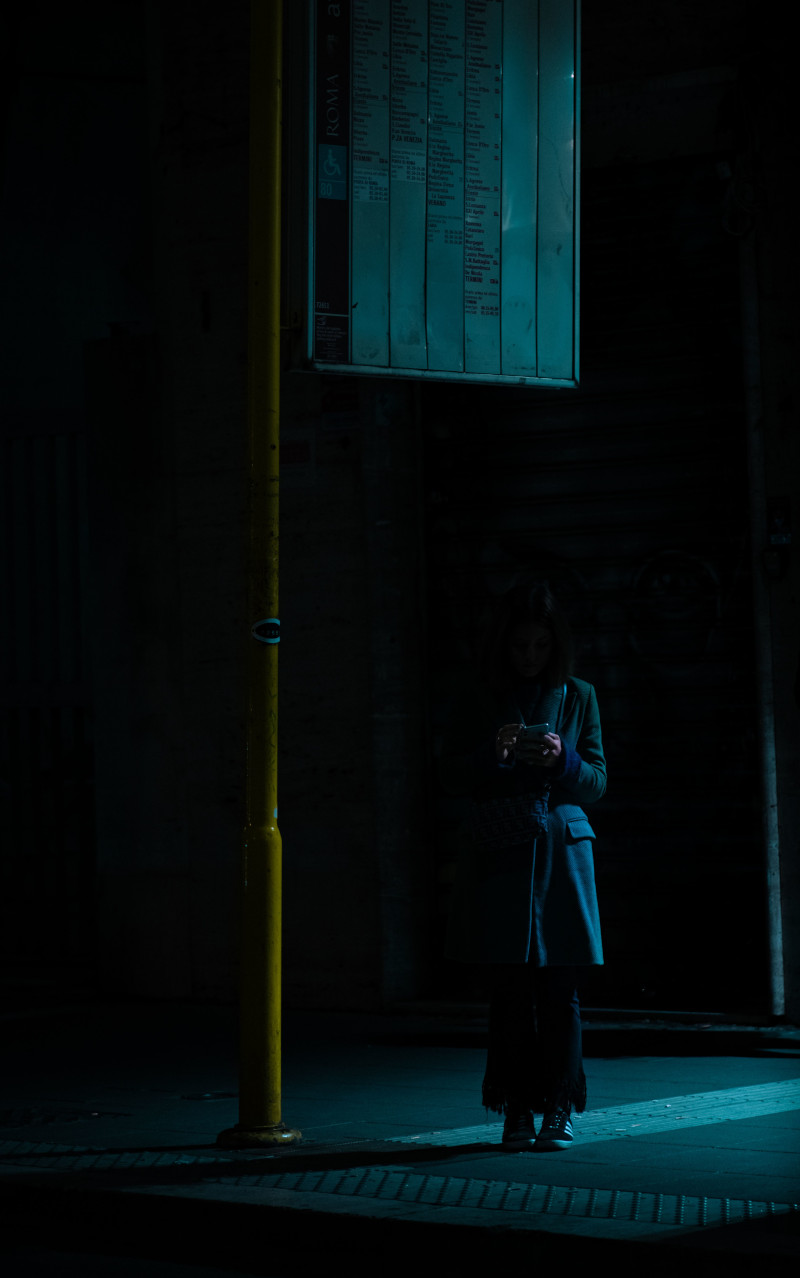
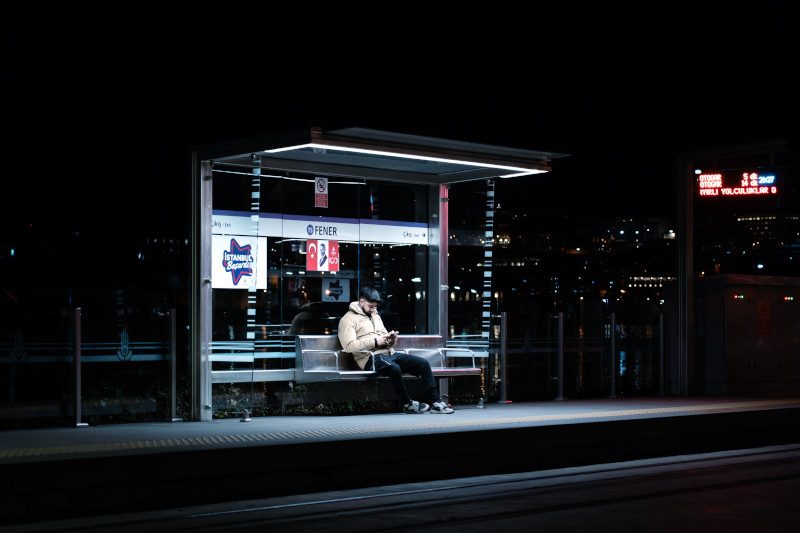
Safety at the curb isn’t mysterious—it comes down to visible, well-maintained everyday design choices that eliminate dark corners and cut down uncertain wait times.
When municipalities and transit agencies invest in consistent lighting, transparent shelters, real-time arrival boards, and continuous sidewalks, ridership grows naturally because families trust the system.
| Infrastructure Element | Impact on Rider Experience | Safety & Dignity Contribution |
|---|---|---|
| Adequate Street & Shelter Lighting | Eliminates dark blind spots around stops and surrounding walkways while improving natural surveillance. | Enhances visibility, deters harassment or crime, and eases anxiety for women, youth, and older riders at dusk or night. |
| Weather Protection & Seating | Shields riders from wind, rain, and winter cold while offering physical rest during delays. | Restores basic human comfort and prevents exhaustion for seniors, pregnant riders, and shift workers. |
| Real-Time Arrival Displays | Removes guesswork around late buses, detours, and route cancellations right at the stop. | Minimizes prolonged, anxious waiting in isolated locations without forcing riders to stare down at a phone. |
| Clear Boarding Pads & Sidewalks | Provides level, snow-cleared, barrier-free access from neighbourhood sidewalks directly to bus doors. | Prevents falls, supports wheelchairs and strollers, and keeps riders safely off active traffic lanes. |
While residents push local councils and transit agencies for better lighting and shelters, having clear, pre-planned habits reduces stress when a bus is delayed or a stop feels uncomfortable.
Confirm route numbers, transfer points, and live arrival times before stepping out of a well-lit school, workplace, or store so you aren’t distracted by a phone screen in an isolated spot.
Wait in bright, open sightlines near streetlights, open storefronts, or pedestrian activity rather than tucked behind dark walls. Once on board, sit near the front close to the operator.
Avoid full noise-canceling mode at unstaffed stops so you keep natural situational awareness of footsteps, approaching vehicles, and what is happening around you.
Under stress, people often freeze just to avoid seeming rude. Give yourself full permission to step into a nearby open business, call a trusted contact, or leave an uncomfortable stop immediately.
Keep a rideshare app configured or a family/friend pickup check-in ready so that if a late-night route is cancelled or a stop feels unsafe, getting home safely takes one tap rather than a stressful calculation.
Watch for suspicious persons or vehicles near stops. If an incident occurs, note physical or vehicle details and call 9-1-1 immediately (DRPS Robbery Unit: 905-579-1520 ext. 5355).
Safety on public transit shouldn’t be a privilege reserved for people who own a car. When stations and major transfer hubs combine bright lighting, clear wayfinding, and visible transit personnel, riders immediately feel the difference.
By pairing smarter rider preparedness with persistent grassroots advocacy—documenting dark stops, missing shelters, and broken sidewalks—neighbours across Durham Region and the GTA can make public transit a safe, dignified choice for every generation.
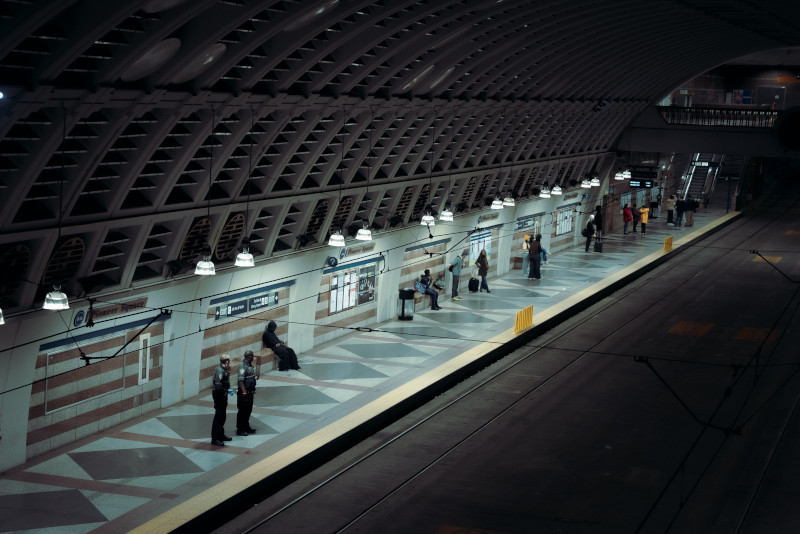
Review official rider safety programs across Durham Region Transit and GO Transit, practical personal safety guidance, and national efforts protecting transit workers and pedestrians.
Official rider guidance, Request Stop after-dark drop-off information, and on-board safety features across Durham Region routes.
Information on station safety personnel, emergency intercoms, Safe Ride options, and reporting security concerns across the GO network.
Clear, practical situational awareness habits for students, teens, and everyday commuters travelling on buses, subways, and trains.
Learn about national advocacy focused on stronger protections for transit operators, riders, and pedestrians around buses and stops.
The upcoming Durham-Scarborough Bus Rapid Transit (DSBRT) corridor will strengthen transit along key stretches of Kingston Road—but riders also depend every day on major arterial hubs like Rossland Road, Simcoe Street, and Taunton Road. If we want to be the best and protect Transit Dignity, we should adapt proven best practices and integrate police and community support services where riders actually wait.
On the TTC subway system, a Designated Waiting Area (DWA) gives solo or late-night riders a clearly marked, bright, monitored place to wait for a train. Key corridors—including Kingston Road alongside DSBRT upgrades, plus high-volume hubs along Rossland, Simcoe, and Taunton—can adapt that same standard at major transfer points, schools, hospitals, and late-evening stops.
In South Korea, smart bus shelters go beyond a roof and bench—offering climate heating/cooling, live bus arrival displays, phone charging, CCTV, and emergency safety bells so riders stay warm, connected, and protected during long or late waits.
While DSBRT helps Kingston Road corridors, high-demand intersections and routes along Rossland, Simcoe, and Taunton carry heavy daily and evening ridership. Prioritizing lit shelters, safe crossings, and real-time arrivals at major nodes closes gaps across the wider network.
Transit safety works best when transit agencies, municipal bylaw/safety teams, police, and social/crisis support services share clear channels—giving officers and responders better tools and integrated resources to assist vulnerable riders quickly.